Inside the Grand Egyptian Museum | What to see, feel, and focus on first

Step inside the Grand Egyptian Museum and the payoff is immediate: this isn’t just a landmark exterior, but a full-scale walk through ancient Egypt in a purpose-built setting.

  • Start with the essentials: prioritize the Grand Hall, Tutankhamun’s galleries, and King Khufu’s Boat if it’s your first visit.
  • Look past the headline pieces: quieter corners like the Conservation Center viewing areas and terrace viewpoints add context, breathing room, and some of the best museum-to-pyramid contrasts.
  • Pro tip: Because the museum is vast, a guided option like [Grand Egyptian Museum Guided Tour with Entry Tickets & Hotel Transfers] can help you see more without zigzagging. Know more about: What to expect Top highlights Visitor logistics

What to expect inside the Grand Egyptian Museum?

From the outside, the Grand Egyptian Museum already feels monumental. Inside, the real difference is how that scale turns into a journey: wide sightlines, carefully staged artifacts, and a flow that takes you from instant spectacle to slower, more thoughtful encounters. You’re not just entering a museum; you’re moving through one of the clearest introductions to ancient Egypt anywhere in the world.

A dramatic sense of arrival

The opening sequence is designed to slow you down and reset your attention. Monumental spaces, stone, light, and large-format displays create that rare museum feeling where the building itself prepares you for what’s ahead. The transition from plaza to hall feels deliberate, almost ceremonial.

History arranged as a narrative

Rather than feeling like a dense storage vault, the interiors guide you through ancient Egypt as a sequence of eras, beliefs, rulers, and rituals. The 12 main galleries help break the experience into manageable chapters, so even a first-time visitor can follow the story without feeling lost.

Big icons, then deeper layers

Headline pieces draw you in, but the museum’s strength is the way it builds meaning around them. The Grand Staircase delivers visual drama, while the Tutankhamun galleries reward slower looking with objects that feel personal, ceremonial, and unexpectedly detailed.

Room to pause, reset, and look outward

Unlike older museums that can feel packed and dim, this one gives you breathing space. Terraces, seating areas, cafes, and long internal views make it easier to pace yourself, especially if you’re visiting with children or older relatives.

If your time is limited, focus on the arrival spaces, one run through the main galleries, Tutankhamun’s collection, and King Khufu’s Boat. If you’d rather spend less time orienting yourself and more time actually looking, a guided visit or skip-the-line ticket can make a noticeable difference here.

If time is short, prioritize the arrival sequence, one strong run through the main galleries, Tutankhamun’s galleries, and King Khufu’s Boat. If you want deeper context without backtracking, a guided visit is often the easiest way to turn scale into clarity.

Map and orientation

A simple way to read the museum is in 4 parts: arrival, ascent, core galleries, and special collections. You’ll usually begin around the outdoor forecourt and Grand Hall, move upward through the Grand Staircase, then branch into the 12 main galleries. From there, most visitors continue to the Tutankhamun galleries and King Khufu’s Boat. Terraces, cafes, rest areas, and the information desk help break the visit into natural pauses, so it’s worth thinking of GEM as a long loop rather than a rushed checklist.

Top highlights inside the Grand Egyptian Museum

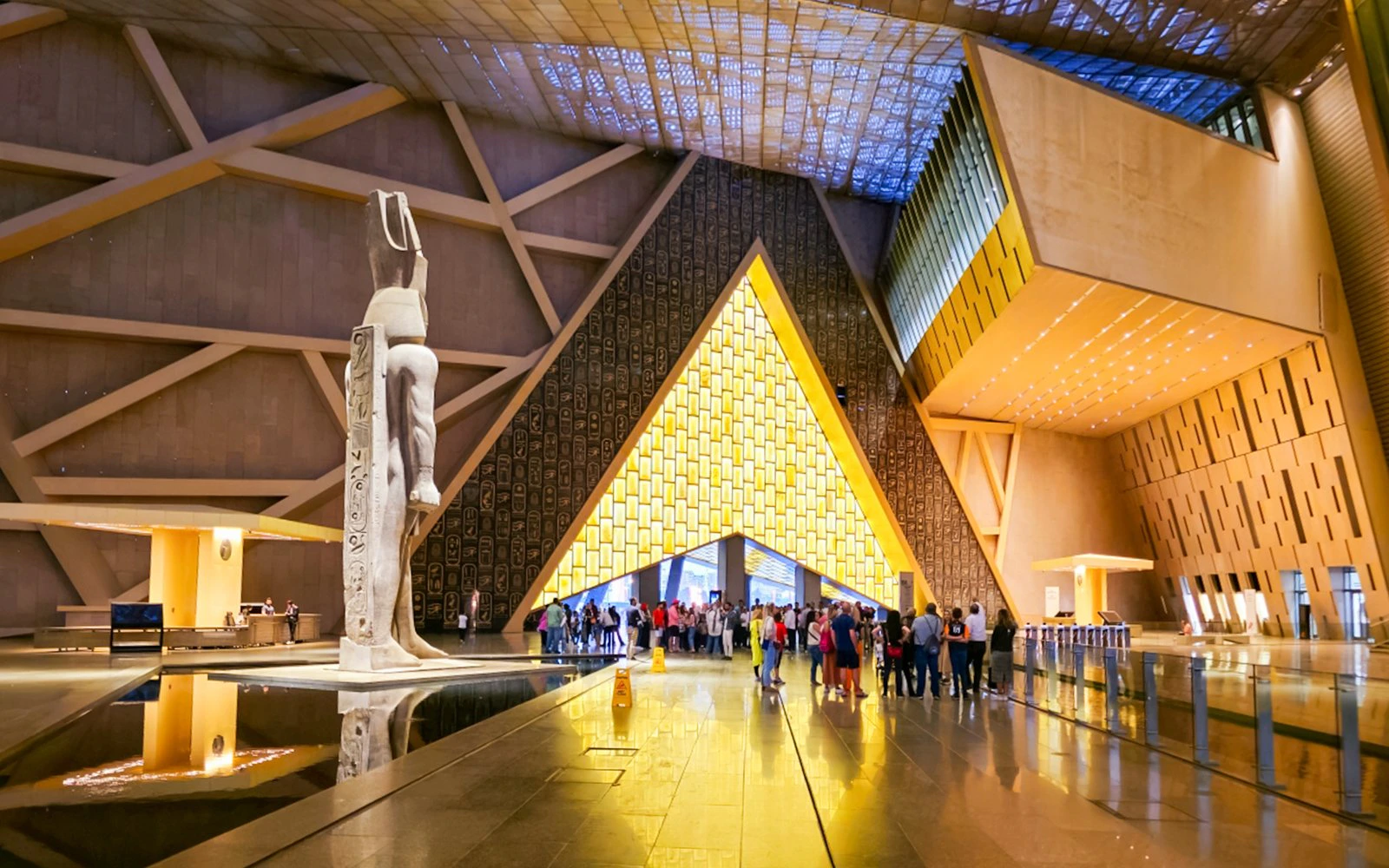
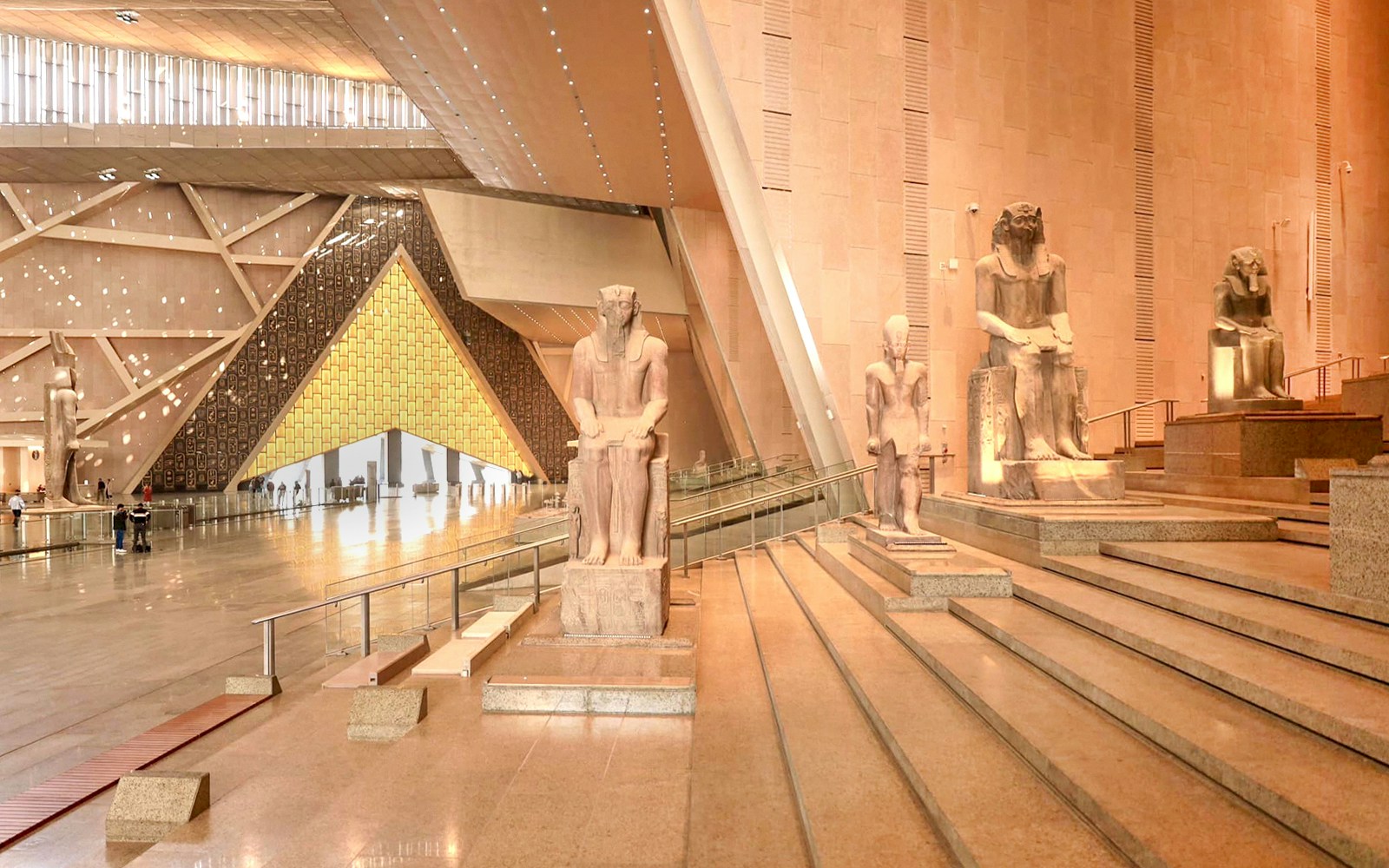
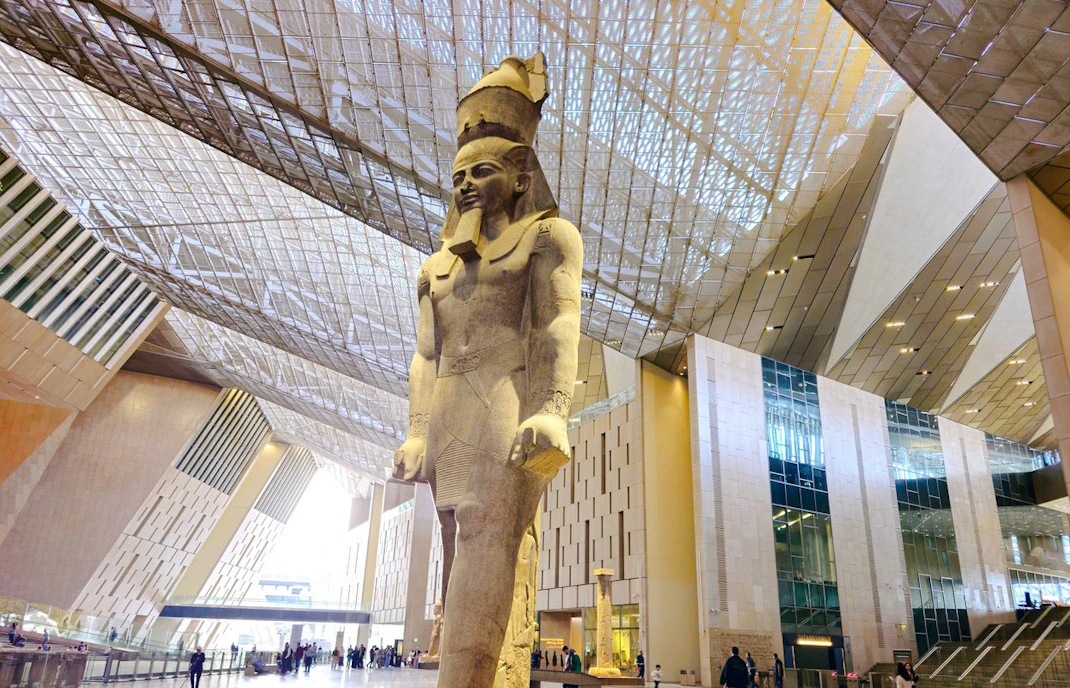
Grand Hall inside the Grand Egyptian Museum

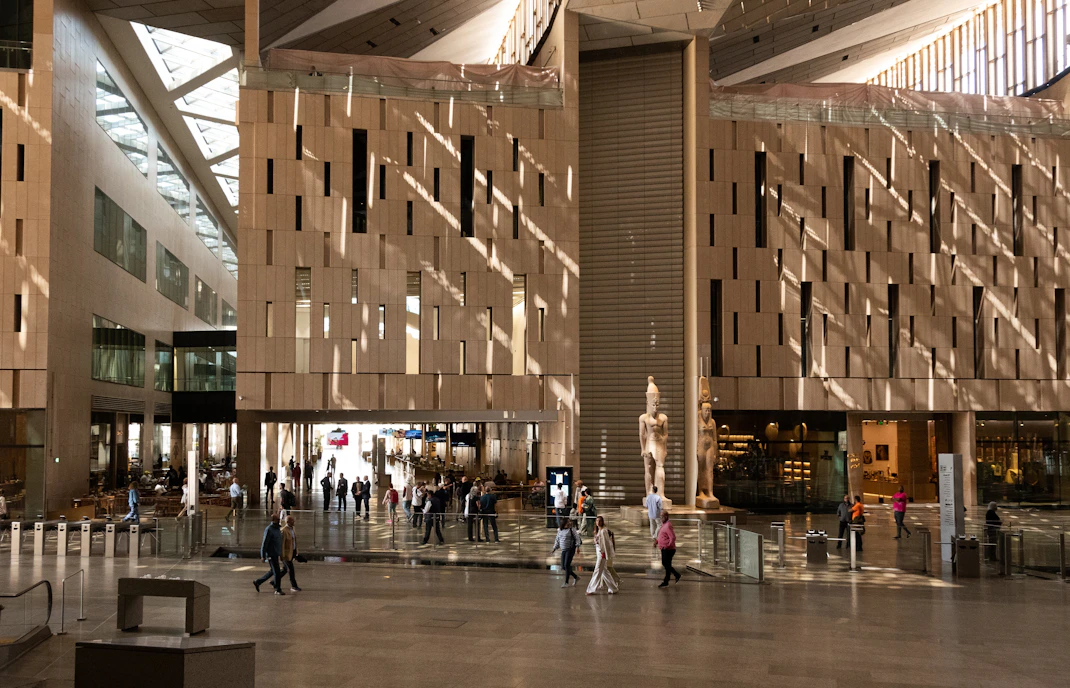
Grand Hall

Your first indoor moment is all about scale, stone, and silence between crowds.

Why it matters: it sets the museum’s tone before you reach the galleries.

Pro tip: pause here before moving on — this is your clearest orientation point.

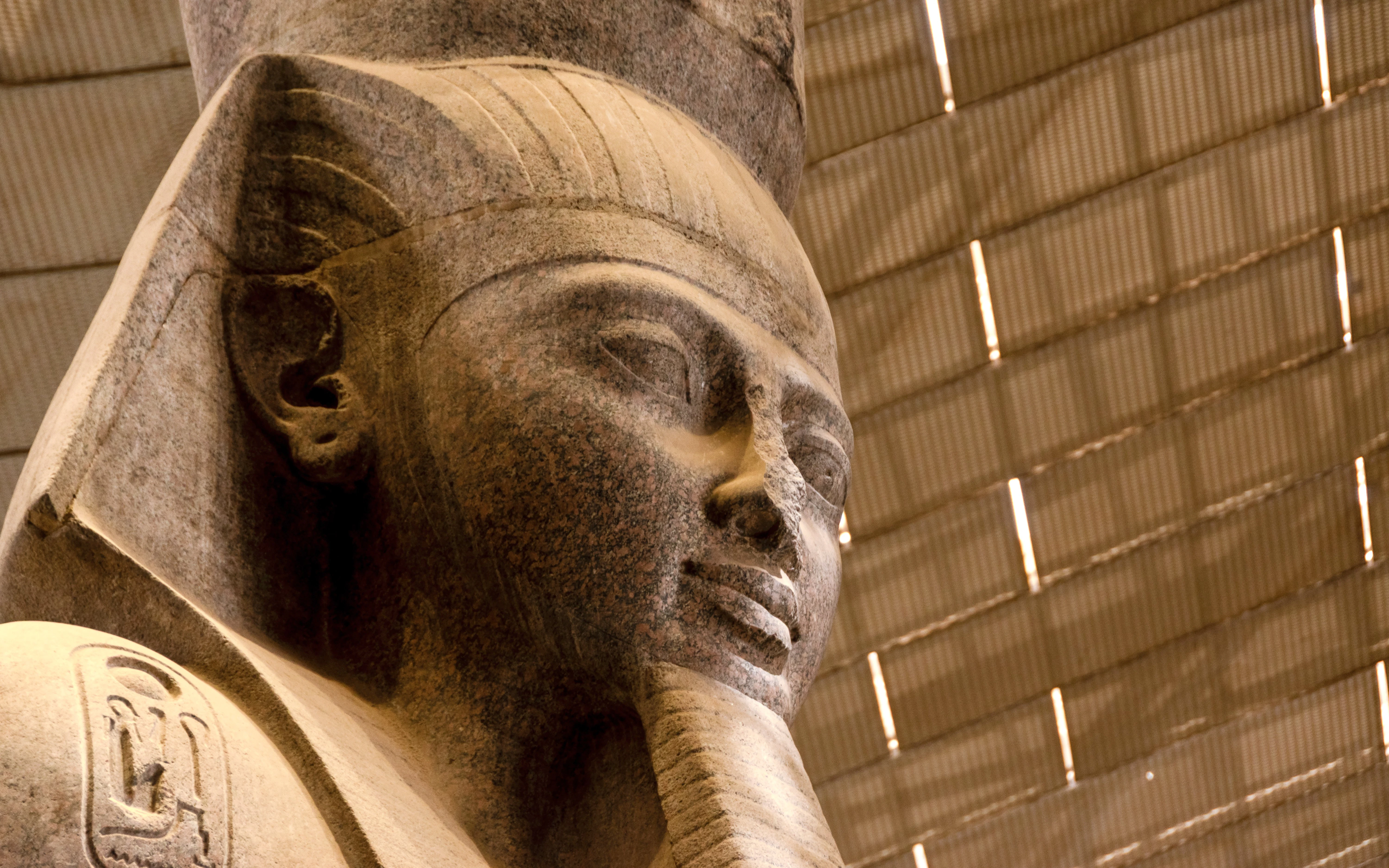
Ramses II statue at the Grand Egyptian Museum
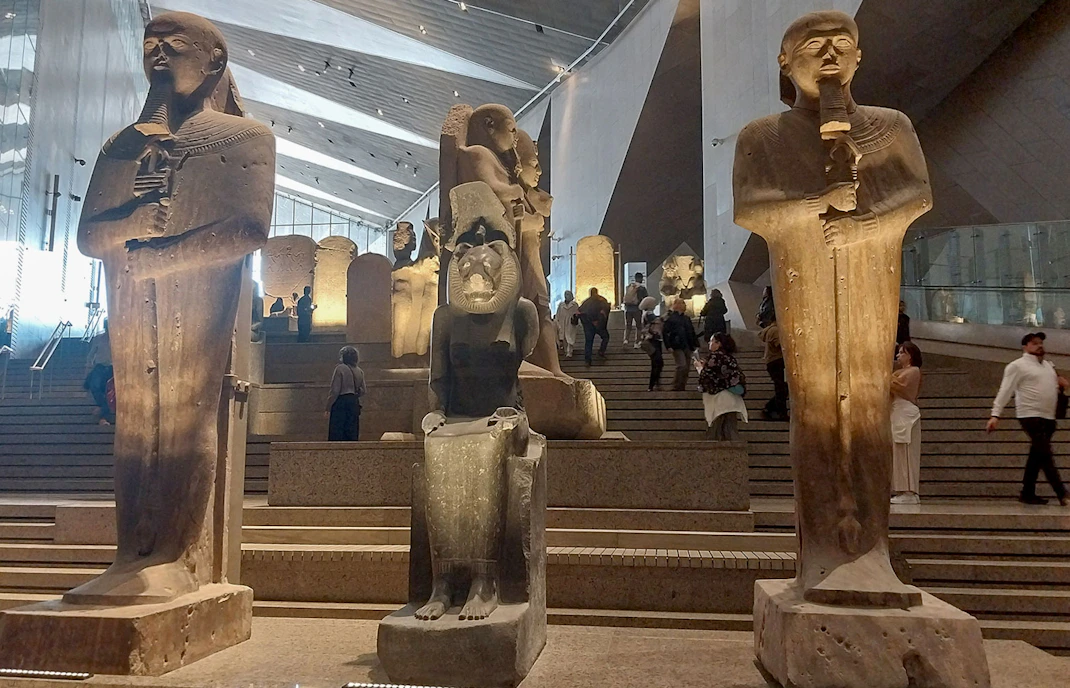
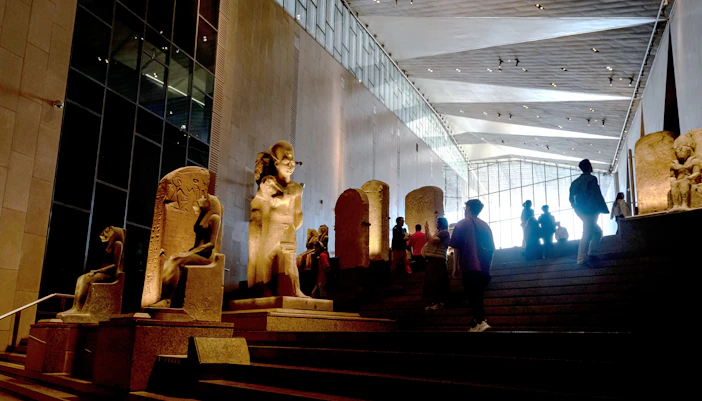
Grand Staircase at the Grand Egyptian Museum
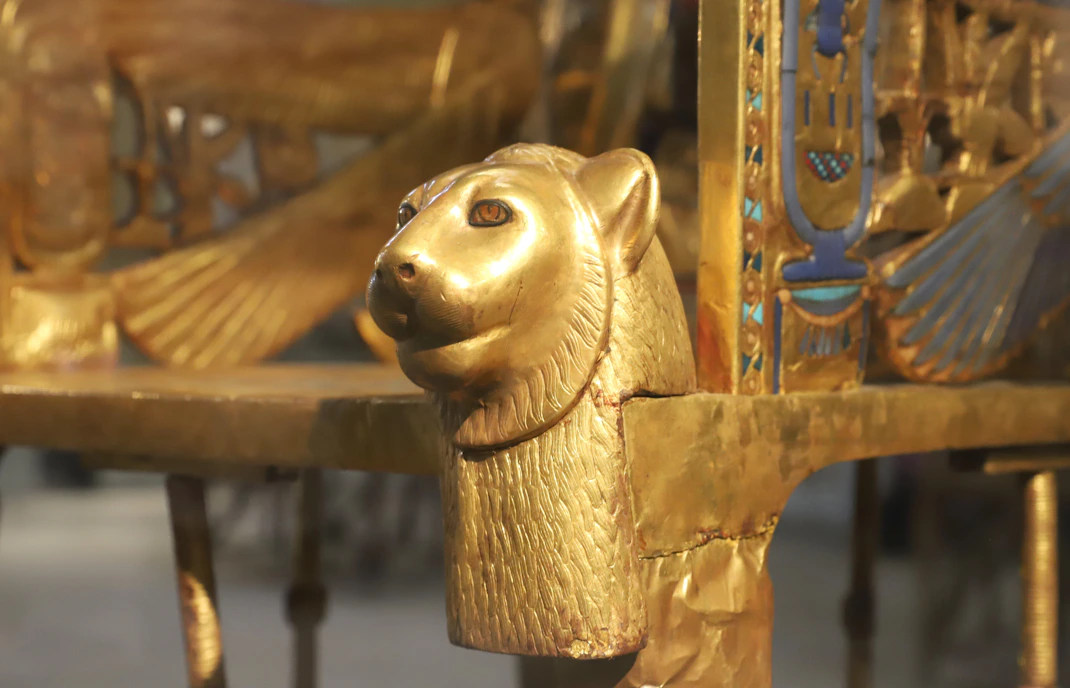
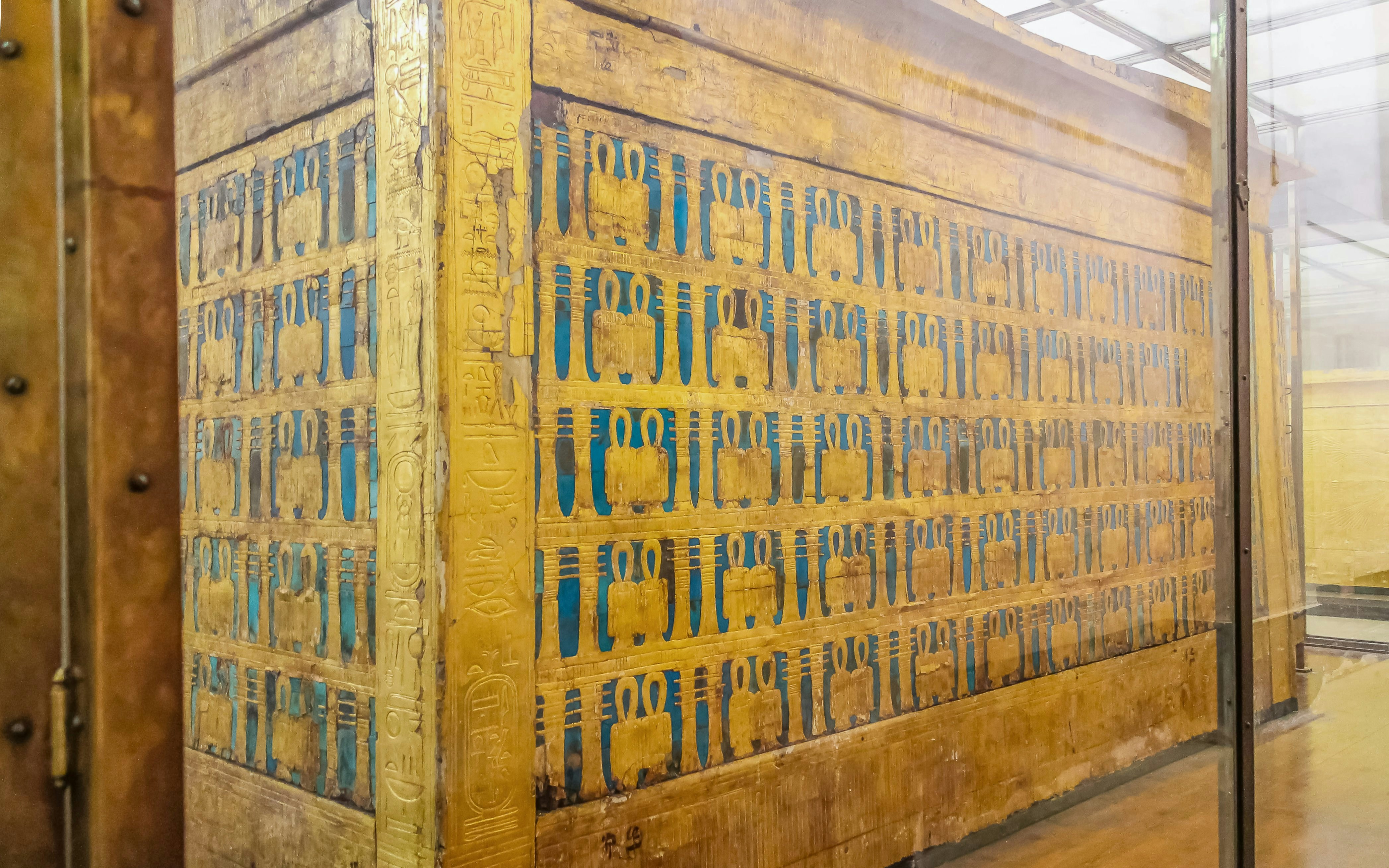
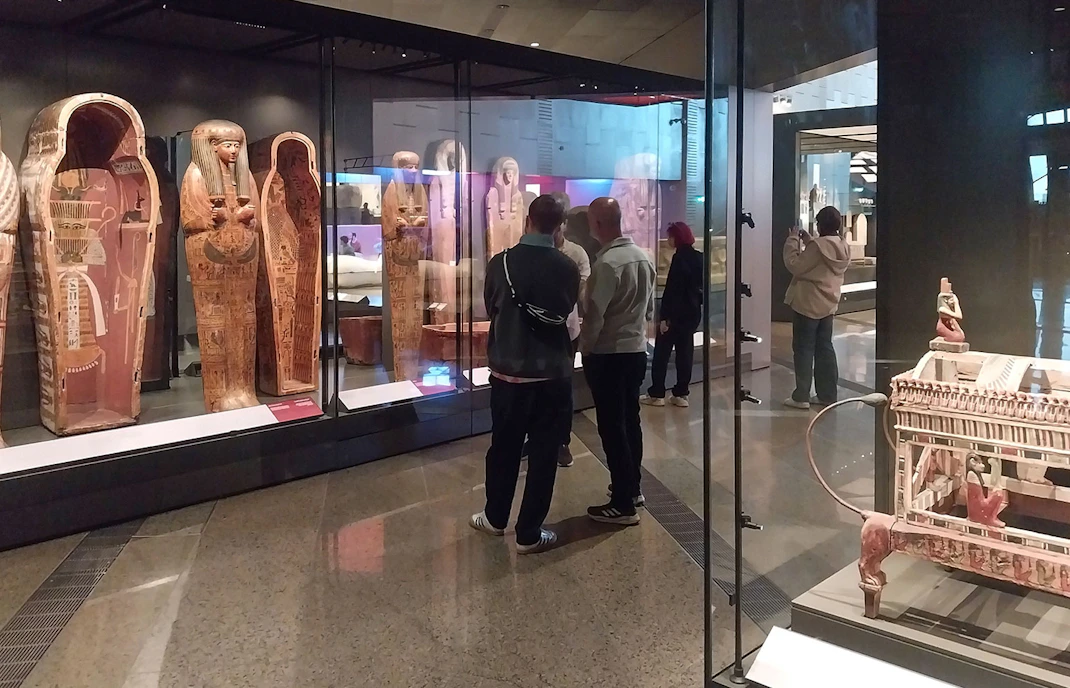
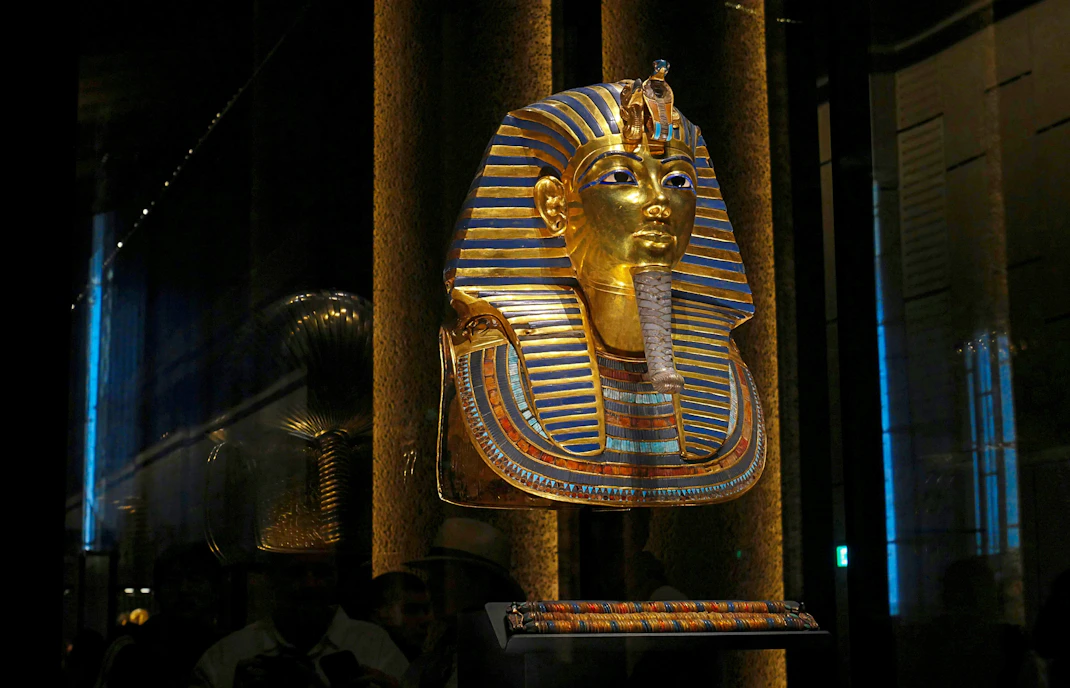
Tutankhamun galleries inside the Grand Egyptian Museum
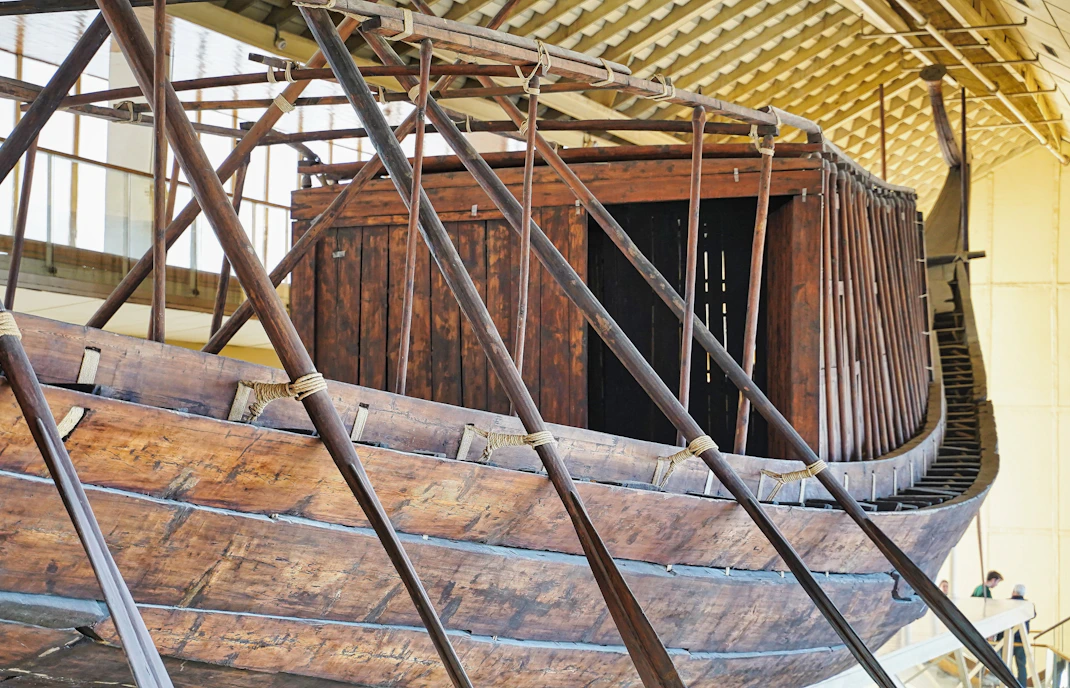
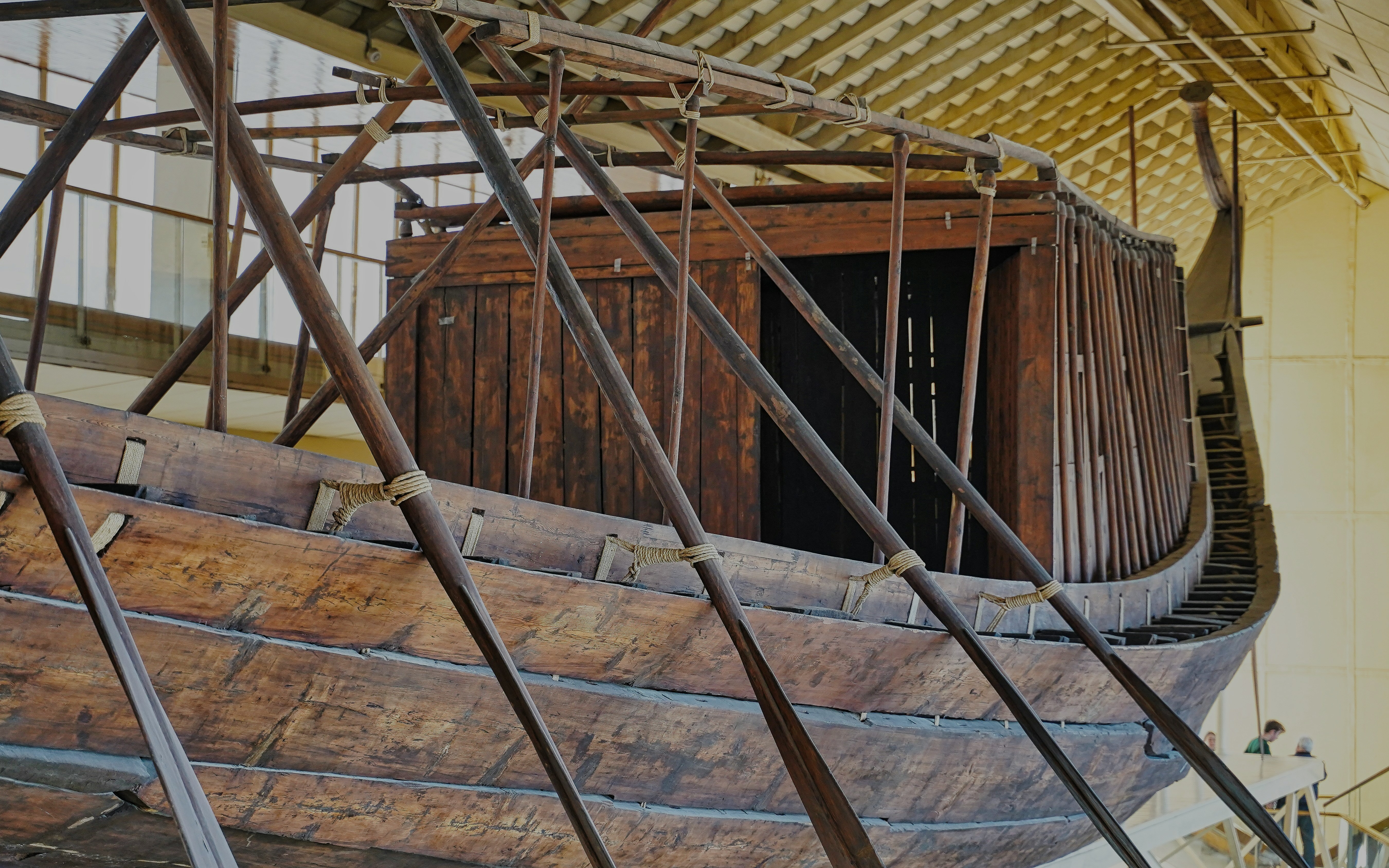
King Khufu’s Boat at the Grand Egyptian Museum

Inside Grand Egyptian Museum

Explore the museum as a series of zones, each with its own pace, mood, and reason to stop.

Grand forecourt and entrance sequence

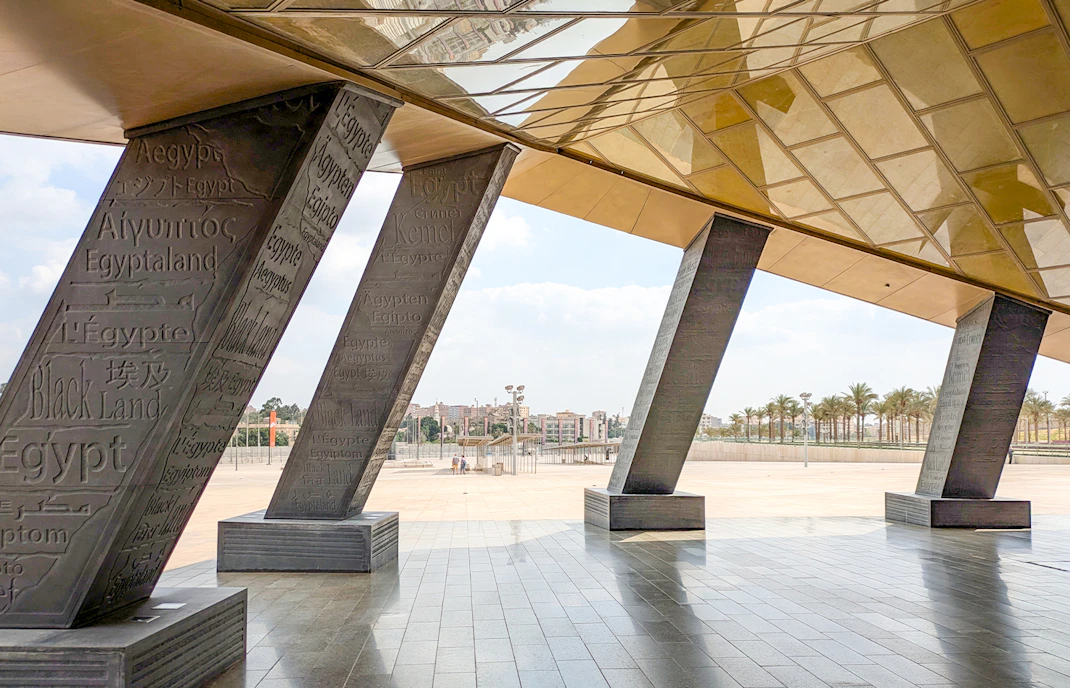
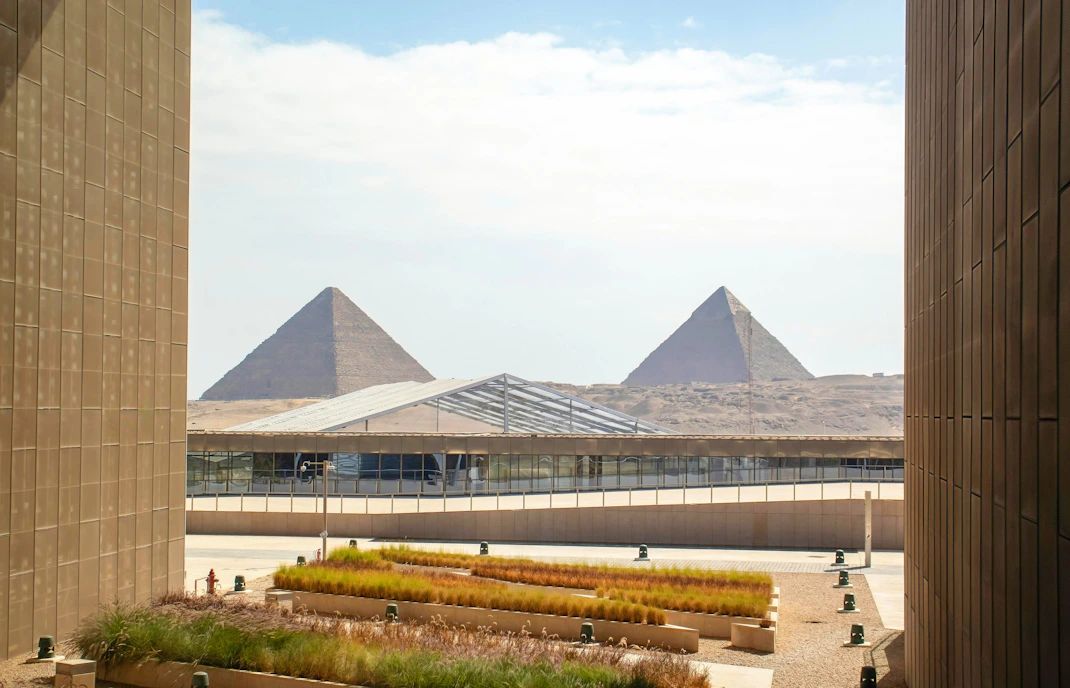
This is where the museum announces its scale before you even reach the galleries. The outdoor approach, monumental framing, and transition into the Grand Hall help you shift from sightseeing mode into museum mode. It’s worth slowing down here instead of treating it as a pass-through.

Grand Hall

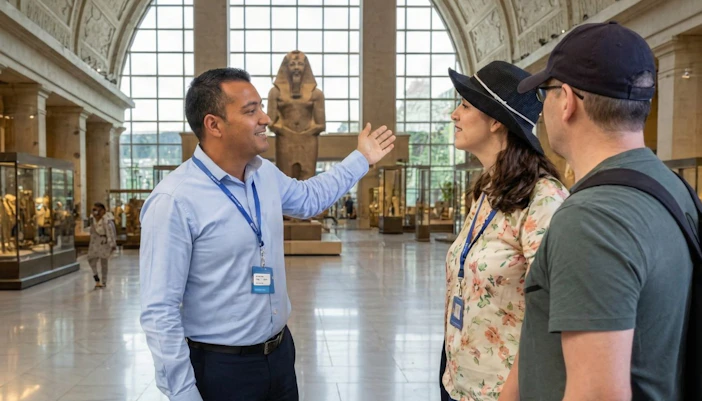
The Grand Hall works as both a visual anchor and a practical one. It’s where many visitors get their bearings, meet guides, and decide their route. Because sightlines are wide and the space is open, it’s the easiest place to regroup if your party splits up.

Grand Staircase

This zone is less about rushing upward and more about reading the museum’s storytelling through movement. Sculptures and architectural scale combine here, creating one of the most theatrical passages in the building. It’s also one of the best spots to notice how carefully the museum controls perspective.

Main galleries

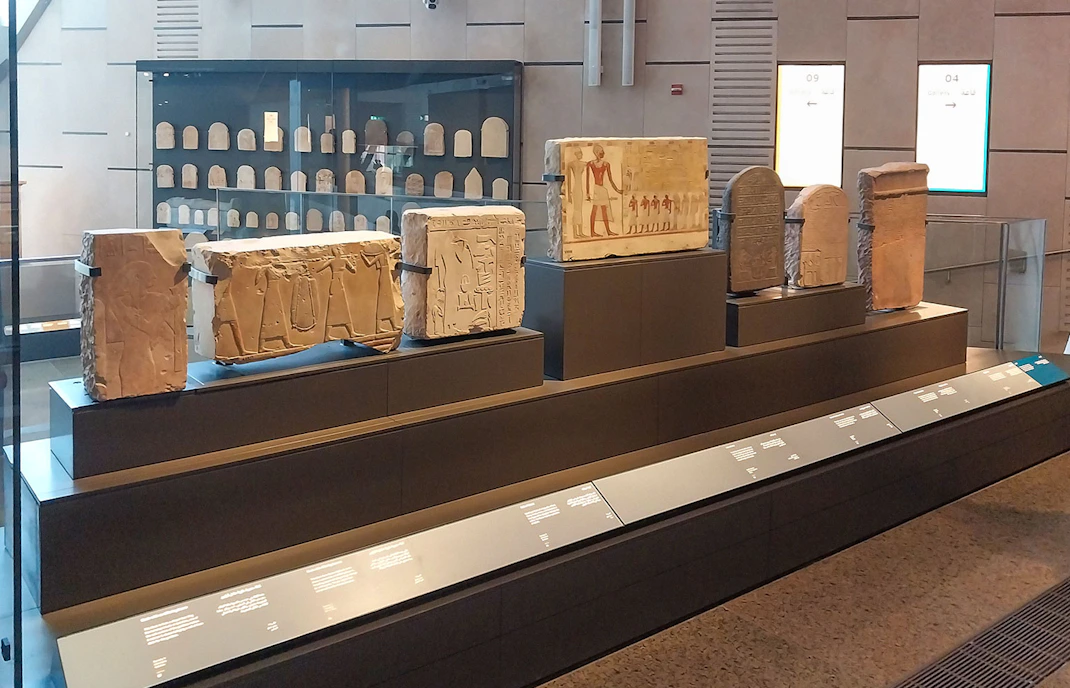
The 12 main galleries are where the visit settles into a steady rhythm. You move through different periods and themes without the cluttered feeling common in older museums. This is the section that rewards pacing — you can skim, or you can spend real time connecting objects across eras.

Tutankhamun galleries

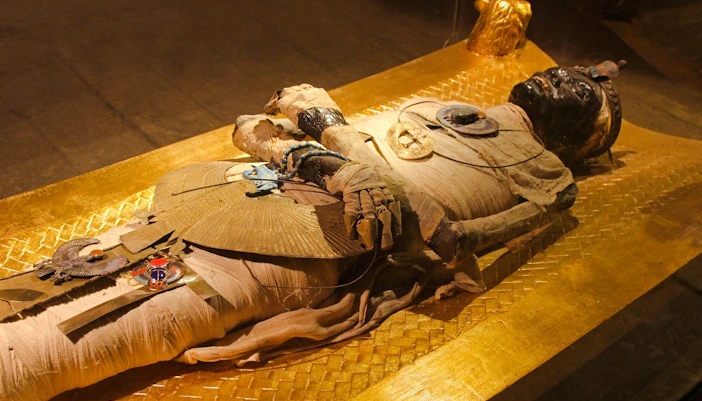
These galleries usually become the emotional center of the visit. The objects here feel intimate as much as royal, and the layout encourages slower looking. If you came specifically for King Tut’s world, plan your energy around this section rather than leaving it for the very end.

King Khufu’s Boat

This zone changes the scale of what you’re looking at. After smaller artifacts and dense display cases, the boat adds a powerful sense of ceremony, engineering, and royal ritual. It also helps round out the visit by showing ancient Egypt as technical achievement, not just treasure.

Terraces, dining, and reset spaces

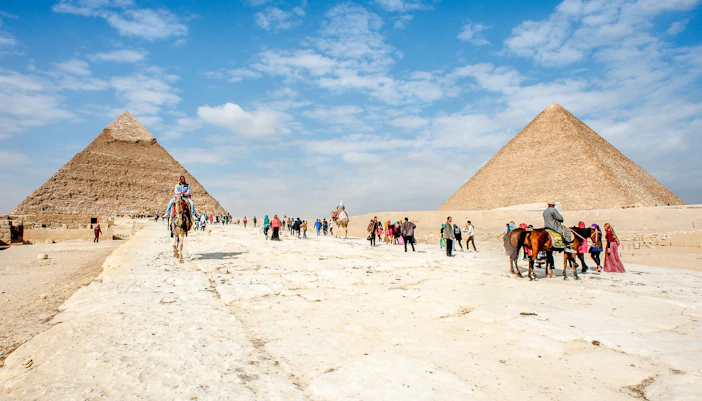
These areas matter more than they might seem on a map. They give you a place to sit, recalibrate, and look back toward the Giza Plateau. For families, older visitors, or anyone doing a longer visit, these pauses can make the museum feel far more manageable.

Itineraries

| Visit style | Time needed | Main areas covered | Best for |

|---|---|---|---|

| Quick highlights visit | 2–3 hours | Grand Hall, Grand Staircase, selected main galleries, Tutankhamun galleries, King Khufu’s Boat | First-timers, families, combo days |

| In-depth visit | 4–5 hours | All main galleries, Tutankhamun galleries, King Khufu’s Boat, Conservation Center stop, terrace break | History-focused visitors, repeat museum-goers |

2–3 hour highlights route

For first-timers who want the museum’s core story without feeling rushed.

  • Grand Hall → Get oriented and take in the building’s scale before you commit to a route.
  • Grand Staircase → Read the museum’s visual language while moving toward the main collections.
  • Selected main galleries → Sample the broader chronology so Tutankhamun has more context.
  • Tutankhamun galleries → Spend your longest stretch here; this is where the visit deepens.
  • King Khufu’s Boat → End with a different kind of royal object: architectural, ritual, and monumental.

4–5 hour in-depth route

This route suits visitors who want breadth, slower pacing, and time for pauses.

  • Grand Hall → Start slowly so the layout feels intuitive before the denser sections begin.
  • Grand Staircase → Treat this as a gallery, not a corridor, and look at the pieces in sequence.
  • All 12 main galleries → Follow the wider arc of ancient Egypt across eras, themes, and beliefs.
  • Tutankhamun galleries → Return your focus to a single royal world after the broader overview.
  • King Khufu’s Boat → Add scale and engineering to the story before your final break.
  • Terrace or cafe stop → Reset before leaving; the museum is easier to absorb with one pause built in.

If you want door-to-door ease, [Grand Egyptian Museum Guided Tour with Entry Tickets & Hotel Transfers] is the most straightforward way to bundle entry, transport, and expert context. If you prefer to explore solo, [Grand Egyptian Museum Skip-the-Line Tickets] keep the day flexible.

Visitor logistics

Entry process
Book online by default, especially if you want faster entry or a bundled guided visit. [Grand Egyptian Museum Skip-the-Line Tickets] and guided options are available. Have your booking ready on your phone, and bring a passport copy or valid photo ID, as entrance checks may apply.

Best times
Aim for opening hours if you want the arrival spaces and star galleries before midday tour traffic builds. Late afternoon can also feel calmer, especially on longer-opening Saturdays and Wednesdays, when the museum stays open later and visitor flow spreads out more evenly.

Duration
Give yourself 2–3 hours for a strong first visit focused on headline spaces. A fuller look at the museum needs 4–5 hours, especially if you stop for breaks, browse the special galleries carefully, or want time for terraces, cafes, and quieter corners.

Accessibility
The museum is wheelchair- and stroller-accessible, and guided tour operators list accessible restrooms and elevator-supported movement through most museum areas. The long walking distances still matter, though, so plan rest stops into your route if anyone in your group prefers a slower pace.

Rules
Flash photography, live streaming, drones, selfie sticks, and tripods aren’t allowed. Outside food and drinks are generally prohibited in exhibition areas, and commercial photography needs written permission. Large bags may be restricted, so travel light if you want faster screening and easier movement inside.

Tips
Start with the Grand Hall before diving into the galleries — it’s the easiest place to understand the building. Save Tutankhamun for the middle of your visit, not the end. If you’re visiting with children, ask at the information desk about the Discovery Challenge timings.
Frequently asked questions about what’s inside the Grand Egyptian Museum

The Grand Egyptian Museum is widely recognized as the biggest museum in Egypt. It stands near the Giza Plateau and spans roughly 500,000 sq m, with space for more than 100,000 artifacts. What makes it feel especially large isn’t just the footprint, but the way the experience is spread across monumental arrival spaces, 12 main galleries, special collections, terraces, and visitor facilities.

If you want a quick sense of the interior experience, jump to What to expect inside the Grand Egyptian Museum.

More reads

Plan your visit to the Grand Egyptian Museum

Sort out timing, entry strategy, and the best order for pairing the museum with Giza, especially if you’re trying to fit both into one day.

Grand Egyptian Museum tickets and tour options explained

Compare self-guided entry, skip-the-line access, and guided tours so you can choose the right format for your pace, budget, and interest level.

Top things to see near the Giza Plateau

Extend your day beyond the museum with nearby icons, practical stop combinations, and realistic timing between the Grand Egyptian Museum and Giza Complex.

How to visit Tutankhamun’s galleries without rushing

Learn how to prioritize King Tut’s collection, what to see first, and how much time to leave for the museum’s most absorbing rooms.

Family tips for visiting the Grand Egyptian Museum

Find stroller-friendly advice, shorter routes, pacing ideas, and the best ways to make a large museum visit work with children.